What Happens When a Cam Shedding Device Wears Out? Common Problems Explained
In a weaving machine, every component has a specific role in maintaining smooth production. Among these parts, the Cam Shedding Device plays an important role in controlling the movement of warp yarns and ensuring stable weaving operations.
However, like any mechanical component, a cam shedding device can experience wear after long-term operation. When its performance declines, the problem may not always appear immediately. Small changes in movement accuracy can gradually affect fabric quality, machine efficiency, and production stability.
So, what happens when a cam shedding device becomes worn? What signs should textile manufacturers pay attention to? Let’s explore the common problems and the reasons behind them.
What Is a Cam Shedding Device and Why Does It Matter?
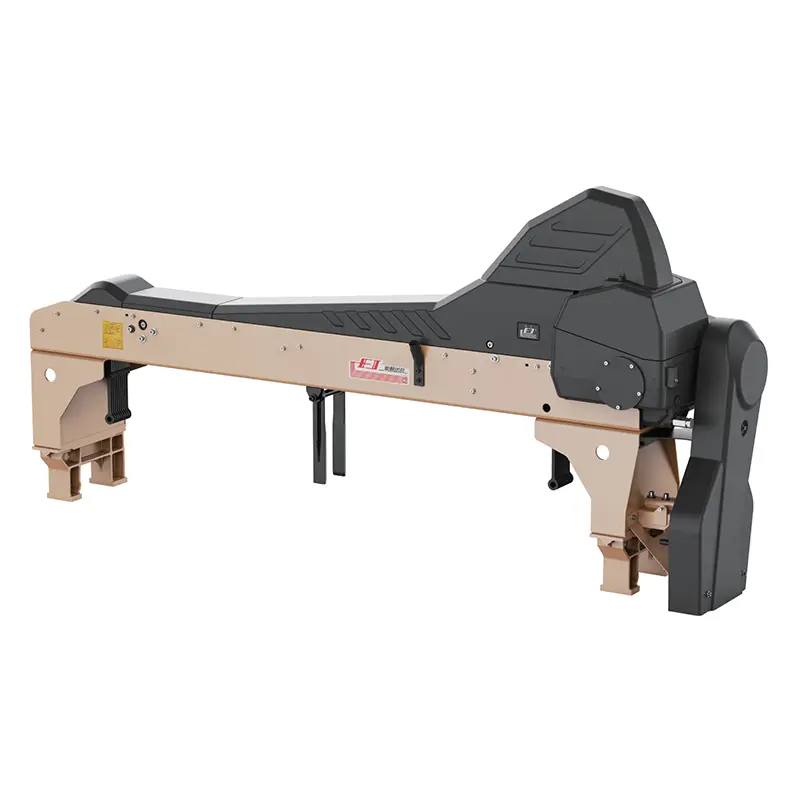
A Cam Shedding Device is a mechanical mechanism used in weaving machines to control the vertical movement of warp yarns during the shedding process.
During weaving, warp yarns must separate into upper and lower layers to create a space for the weft yarn to pass through. This movement is called shedding.
The cam shedding device controls this movement by converting rotary motion into precise up-and-down movement.
Its performance directly affects:
- Fabric appearance
- Weaving accuracy
- Machine stability
- Production efficiency
Because modern weaving machines often operate at high speeds, even small mechanical errors can influence final fabric quality.
Why Does a Cam Shedding Device Wear Out?
Wear is a natural result of continuous mechanical operation. A weaving machine may run thousands of hours, meaning the cam mechanism experiences repeated friction and pressure.
Common causes of wear include:
- Long operating time
- Insufficient lubrication
- High-speed operation
- Dust or impurities entering the mechanism
- Incorrect installation
Over time, the contact surfaces of the cam and related components may lose their original precision.
Problem 1: Unstable Shedding Movement
One of the first signs of a worn cam shedding device is irregular shedding movement.
A properly working device should provide smooth and consistent warp yarn movement. When the cam surface becomes worn, the motion pattern may change.
Possible results include:
- Uneven warp lifting
- Incorrect shedding timing
- Unstable weaving process
This can make the machine harder to operate and reduce production consistency.
Problem 2: Increased Warp Yarn Breakage
Warp yarns are sensitive to tension changes. A worn cam shedding device may cause irregular movement, creating unnecessary stress on yarns.
Common symptoms include:
- More frequent yarn breaks
- Higher machine downtime
- Reduced production efficiency
For factories producing fine fabrics or high-density textiles, stable warp movement is especially important.
Problem 3: Fabric Quality Problems
Many fabric defects are related to weaving accuracy, and a worn shedding mechanism can become one of the hidden causes.
Possible fabric issues include:
- Uneven fabric structure
- Pattern deviation
- Irregular density
- Visible weaving marks
Because these problems may appear gradually, regular inspection of mechanical components is important.
Problem 4: More Noise and Vibration
A healthy cam shedding device operates with smooth mechanical movement. When components become worn, gaps between parts may increase.
This can lead to:
- Abnormal machine noise
- Increased vibration
- Higher mechanical stress
Excessive vibration may accelerate wear of other connected components, creating additional maintenance costs.
Problem 5: Reduced Production Efficiency
A worn cam shedding device does not always cause immediate machine failure. Instead, it often reduces overall efficiency.
Factories may experience:
- More frequent adjustments
- Lower operating speed
- Longer maintenance time
- Higher production costs
Replacing or maintaining worn components at the right time can help avoid larger production losses.
How Can Textile Factories Reduce Cam Shedding Device Wear?
Regular Lubrication
Proper lubrication reduces friction between moving parts and helps maintain smooth operation.
Routine Inspection
Operators should regularly check:
- Cam surface condition
- Unusual noise
- Movement accuracy
- Component alignment
Correct Installation
Incorrect installation may create uneven stress and accelerate mechanical wear.
Choose Suitable Components
High-quality cam shedding devices with precise machining and suitable materials generally provide better stability for long-term operation.
Can a Worn Cam Shedding Device Be Repaired?
In some cases, minor wear may be repaired through adjustment, maintenance, or replacement of specific components.
However, when the cam profile has significantly changed or precision has been affected, replacement is usually a better solution.
The decision depends on:
- Degree of wear
- Machine operating condition
- Maintenance cost
- Expected production requirements
The Importance of Cam Shedding Device Maintenance in Modern Weaving
Modern textile factories require high-speed and stable production. Even a small mechanical issue can influence fabric quality and production schedules.
Although the cam shedding device is only one component of a weaving machine, its role in controlling warp movement makes it an important part of the entire weaving process.
Regular maintenance, timely inspection, and proper operation help extend service life and maintain stable fabric production.
A Cam Shedding Device may appear to be a small mechanical component, but it plays a critical role in weaving performance.
When wear occurs, problems such as unstable shedding, yarn breakage, fabric defects, vibration, and reduced efficiency may gradually appear.
Understanding these warning signs allows textile manufacturers to take preventive action, reduce downtime, and keep weaving machines operating smoothly.