
How Does a Textile Cam Shedding Device Improve Weaving Efficiency?
Article Summary: The textile industry constantly seeks ways to enhance weaving productivity while reducing defects, downtime, and operational costs. A Textile Cam Shedding Device is a proven component in rapier and projectile looms that provides reliable shedding performance. This article explains what a cam shedding device is, how it works, key advantages, installation and maintenance considerations, selection criteria, and answers to common questions from textile manufacturers. Whether you’re upgrading equipment or troubleshooting shedding issues, this guide will clarify how cam shedding technology solves real pain points in weaving operations.
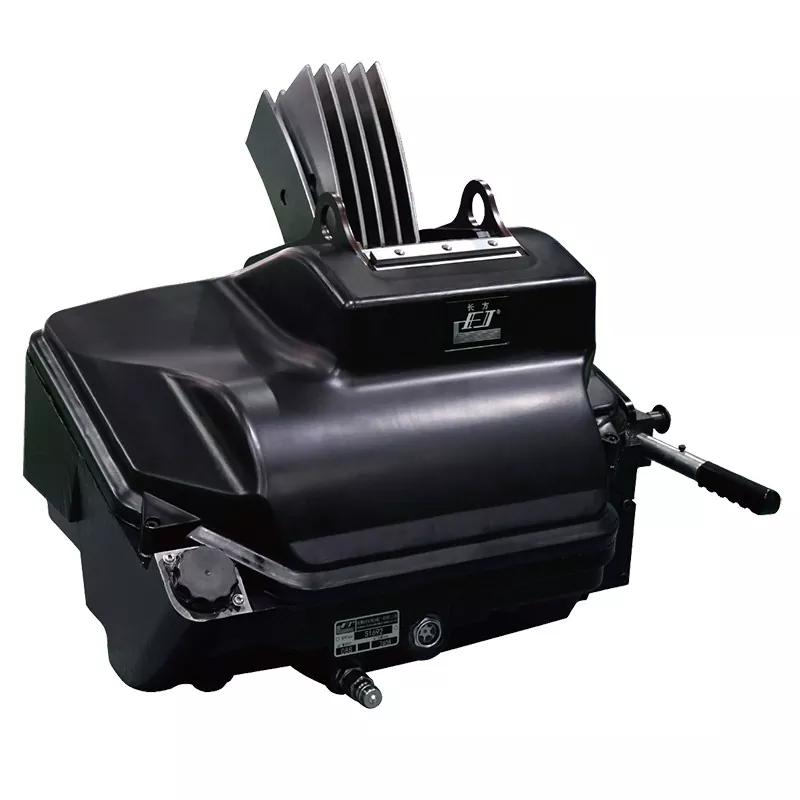
Table of Contents
- Introduction to Cam Shedding Devices
- How Cam Shedding Devices Work
- Core Benefits for Weaving Operations
- Resolving Common Shedding Pain Points
- How to Choose the Right Device
- Maintenance Best Practices
- Frequently Asked Questions
Introduction to Cam Shedding Devices
In weaving machinery, the shedding mechanism is responsible for creating the opening (shed) through which the weft thread is inserted. It directly influences weaving speed, fabric quality, and machine reliability. The Textile Cam Shedding Device is a mechanical shedding system commonly used in rapier, air-jet, and projectile looms.
Cam shedding devices use precisely shaped cams to convert rotary or linear motion into controlled movement of the heald frames. Compared with alternatives such as dobby or electronic jacquard shedding, cam shedding remains favored in applications where simplicity, durability, and cost-effectiveness are priorities.
How Cam Shedding Devices Work
The fundamental principle behind cam shedding is mechanical motion transfer. A cam profile controls the sequence and displacement of heddle frames. As the cam rotates or slides, it lifts and lowers the frames in a predetermined pattern.
The basic components typically include:
- Cams: Precisely machined shapes that dictate the shedding sequence.
- Followers: Rollers or sliders that track the cam profile.
- Linkages: Connecting rods and levers transferring motion to heald frames.
- Heddle Frames: Carrying heddles that control warp yarn movement to form the shed.
Because the motion is guided by physical cam shapes, the shedding pattern is highly repeatable and reliable. This reliability is essential for consistent fabric formation and minimal errors during high-speed weaving.
Core Benefits for Weaving Operations
Textile manufacturers evaluate shedding systems based on performance, cost, adaptability, and lifecycle value. The cam shedding device delivers several key advantages:
- High Reliability: Mechanical simplicity reduces failure points compared to complex electronic systems.
- Low Maintenance: Fewer moving components and no electronic controls minimize downtime and repair costs.
- Consistent Shed Formation: Precision cam profiles ensure repeatability even at high loom speeds.
- Cost Efficiency: Initial investment and long-term operating costs are typically lower than advanced shedding systems.
- Ease of Integration: Cam shedding devices can retrofit a wide range of rapier and projectile looms with minimal modification.
Resolving Common Shedding Pain Points
Textile producers encounter specific challenges when using weaving machinery, such as:
| Pain Point | Impact on Production | How Cam Shedding Helps |
|---|---|---|
| Frequent Machine Downtime | Reduced throughput and higher labor costs | Mechanical simplicity leads to fewer breakdowns |
| Inconsistent Fabric Quality | Increased rejects and rework | Repeatable shedding motion stabilizes weft insertion |
| Complex Repairs | Extended machine stoppages | Cam systems use durable parts that are easy to service |
| High Initial Upgrade Cost | Capital constraints for small-to-medium mills | Cost-effective choice compared to sophisticated electronic shedding |
How to Choose the Right Device
Selecting the appropriate cam shedding device requires evaluating operational goals, loom types, and production requirements. Consider these factors:
- Loom Compatibility: Ensure the device matches your loom’s make and model.
- Production Speed Requirements: Confirm that the cam design supports your target picks per minute.
- Shedding Pattern Complexity: Standard cams work well for plain and twill weaves; more intricate patterns require specialized cam sets.
- Serviceability: Check for availability of spare parts and local technical support.
- Budget Constraints: Balance between upfront investment and expected ROI from improved uptime and quality.
Maintenance Best Practices
Proper maintenance improves performance and extends life. Recommended practices include:
- Regular Lubrication: Apply lubricant to cam followers and linkages at defined intervals.
- Wear Inspection: Check cam surfaces and followers for wear or deformation.
- Alignment Checks: Verify correct alignment of cams and linkages to prevent uneven motion.
- Cleaning: Remove lint and debris that can build up around moving parts.
- Scheduled Part Replacement: Have a plan for replacing wear-prone components before failure occurs.
Frequently Asked Questions
What is the primary role of a cam shedding device in weaving?
A cam shedding device creates the shed by mechanically lifting and lowering heddle frames based on cam profiles. This controllable motion sequence allows weft threads to be inserted efficiently and consistently.
Can a cam shedding device be used for complex weave patterns?
Cam shedding is best suited for repeatable patterns such as plain, twill, and other simple weaves. For highly complex weave structures, systems like dobby or electronic jacquard may provide greater flexibility, although specialized cam sets can still handle moderate complexity.
How does the cam shedding device compare with electronic systems?
Cam shedding devices offer mechanical reliability and lower cost, while electronic systems provide programmable flexibility. The choice depends on production priorities: cost and uptime versus pattern versatility.
How often should maintenance be performed?
Maintenance frequency depends on production volume and operating conditions. A good practice is to conduct a basic inspection weekly and a detailed service monthly or quarterly, adjusting intervals based on performance data.
Is it possible to retrofit existing looms with a cam shedding device?
Yes. Many cam shedding devices are designed for retrofit applications, enabling older looms to benefit from improved shedding performance without complete machinery replacement.
Conclusion: Integrating a high-quality Textile Cam Shedding Device into your weaving operations can address key productivity challenges, improve fabric quality, and reduce maintenance burdens. Its mechanical simplicity and proven performance make it a valuable option for manufacturers seeking consistent results and dependable uptime.
If you are ready to upgrade your weaving line or want expert guidance on selecting the right cam shedding solution, Changshu Textile Machinery Works Co. Ltd. has the experience and products to support your goals. Contact us today to discuss your requirements and receive personalized assistance.