
Why Is a Positive Cam Motion Device Becoming a Key Upgrade in Modern Industrial Machinery?
A Positive Cam Motion Device is a precision-engineered mechanical component designed to convert rotational input into controlled linear or oscillating motion with extremely high repeatability. It operates through a fixed cam profile that guides followers along a predetermined path, ensuring exact and predictable movement throughout each cycle.
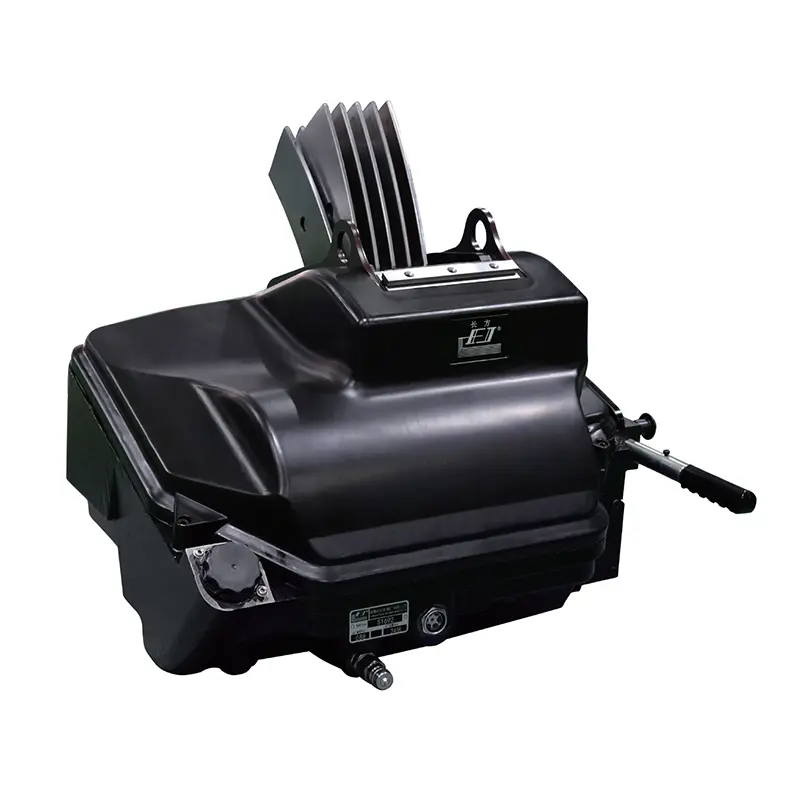
The central objective of this article is to explore what the Positive Cam Motion Device is, why industries increasingly rely on it, and how its advanced design improves performance, efficiency, and product consistency. Additionally, it explains product parameters in detail and provides practical insights into future development trends.
A major advantage of a Positive Cam Motion Device lies in its mechanical precision. Unlike pneumatic or hydraulic systems that may suffer from pressure fluctuations or delayed responses, the cam-driven mechanism delivers consistent timing and motion. With stable power transmission, reduced vibration, and minimal mechanical backlash, it supports long-term use under high loads.
To present its technical characteristics more clearly, below is a parameter overview (example format):
Product Parameters Overview
| Parameter Category | Description |
|---|---|
| Material Composition | High-strength alloy steel / hardened precision steel / surface-treated wear-resistant materials |
| Motion Type Supported | Intermittent motion, continuous motion, oscillating, indexing, linear displacement |
| Accuracy Range | ±0.01–0.03 mm, depending on cam profile precision |
| Load Capacity | Medium to heavy-load industrial applications |
| Speed Capability | High-speed cycles suitable for 24/7 operations |
| Durability Features | Anti-wear surface treatment, optimized lubrication channels, improved heat resistance |
| Customization Options | Profile geometry, stroke length, speed ratio, follower type, mounting interface |
These parameters define the device’s mechanical performance and enable customized configurations according to various industrial processes.
Why Do Industries Choose Positive Cam Motion Devices Over Other Motion-Control Solutions?
The choice of a Positive Cam Motion Device often comes down to reliability, accuracy, and cost-efficiency. Industries that operate high-speed or high-precision equipment require motion systems that do not drift, slip, or deform under continuous workload. The device’s predictable mechanical movement ensures stable production outputs, making it ideal for tasks such as synchronized cutting, forming, filling, sealing, labeling, or inspection.
Why is precision motion so important?
High-speed production lines rely on timing accuracy to prevent misalignment, product defects, or machine collisions. Cam-controlled motion follows a fully fixed profile, meaning each cycle’s movement is identical—no deviations, no timing errors, no lag. This precision minimizes downtime and reduces the cost of quality-control issues.
Why is the device more durable than comparable systems?
Because the cam and follower operate through solid mechanical engagement rather than fluid or electrical signals, the system experiences less instability. It handles impacts and repetitive motion more effectively thanks to hardened materials, optimized shape geometry, and enhanced lubrication design.
Why does it reduce long-term operational costs?
Mechanical motion systems require fewer auxiliary components, have predictable maintenance schedules, and can last for millions of cycles before significant wear appears. This reduces repair expenses and eliminates unexpected shutdowns.
Industries increasingly move toward automation, and Positive Cam Motion Devices support this shift by ensuring consistent performance even in demanding environments such as continuous production or high-temperature operations.
How Does a Positive Cam Motion Device Work and How Can It Improve Operational Efficiency?
Understanding how the device works helps explain why it is valued in automated machinery.
How does the mechanism operate?
The cam is designed with a precisely calculated profile. As it rotates, it guides a follower along the specific motion pattern embedded in the profile. The follower translates this rotational path into linear or oscillatory movement. Since the profile determines every moment of the follower’s motion, the output is highly predictable.
How does the system improve stability and speed?
• The mechanical linkage eliminates slippage.
• Fixed curves maintain consistent cycle timing.
• Low inertia enables rapid accelerations and decelerations.
• Balanced cam geometry reduces vibration and noise.
This allows the machinery to operate at high speed without losing accuracy.
How does it increase production line efficiency?
• Reduces variability in product output
• Minimizes downtime due to fewer mechanical failures
• Ensures synchronous operation between components
• Enhances machine response time and control accuracy
• Improves product uniformity
The result is a more predictable workflow, which translates to higher throughput and fewer errors.
Common FAQs About Positive Cam Motion Devices
Q1: What industries benefit most from using a Positive Cam Motion Device?
A1: Industries requiring synchronized or repetitive motion, such as packaging, printing, pharmaceuticals, food processing, textile machinery, and assembly automation, benefit the most. These sectors require precision motion control to maintain consistent production quality and high-speed filling, sealing, cutting, or labeling. The device ensures exact cycle timing and reduces deviations in product output.
Q2: How long does a Positive Cam Motion Device typically last?
A2: Service life varies depending on load, running speed, material quality, and lubrication frequency. Typically, with proper maintenance, the device can run millions of cycles before showing significant wear. Hardened materials and optimized lubrication channels extend the lifespan under high-speed or heavy-load conditions.
Q3: How is the device installed or integrated into existing machinery?
A3: Installation depends on the machine’s mechanical structure. Most devices come with customizable mounting interfaces, alignment marks, and specified tolerance requirements. Calibration includes setting rotational positions, verifying follower movement, ensuring lubrication pathways function correctly, and confirming that the cam profile aligns with machine timing. Integration must follow the equipment’s mechanical layout to ensure perfect motion synchronization.
What Future Trends Will Shape the Development of Positive Cam Motion Devices?
Industrial automation continues to advance, and the evolution of Positive Cam Motion Devices is closely linked to higher efficiency demands, smart manufacturing, and stricter quality control requirements. Several trends are shaping future design and application:
Trend 1: Integration with Intelligent Monitoring Systems
Although the core mechanism remains mechanical, future versions will incorporate sensors for temperature, vibration, and operational frequency. These sensors help detect early wear, providing predictive maintenance alerts.
Trend 2: Lightweight and High-Strength Materials
New alloy compositions, heat-treated steels, and surface-engineered coatings will enhance durability, reduce friction, and improve thermal stability. This leads to longer lifespans and improved performance at higher speeds.
Trend 3: Customizable Motion Profiles for Specialized Equipment
Industries increasingly need unique output motions—nonlinear curves, rapid start-stop cycles, or multi-stage displacement patterns. Customized cam profiles will meet these demands with greater precision.
Trend 4: Higher Speed Capability with Reduced Noise
Manufacturers focus on optimizing dynamic balance, reducing vibration, and improving dynamic stiffness. These improvements allow operation at extremely high cycling speeds without compromising stability.
Trend 5: Compact, Space-Saving Designs
Production facilities prioritize equipment that offers high output while consuming less space. Future devices will feature compact structures that simplify installation and reduce mechanical complexity.
Together, these trends indicate continued growth in high-precision mechanical automation, with Positive Cam Motion Devices remaining essential for machines requiring consistent motion control.
The Positive Cam Motion Device plays a crucial role in modern industrial motion control by offering high precision, stable operation, strong durability, and excellent cost-performance. As industries continue to demand faster production speeds and higher accuracy, this device becomes even more valuable in ensuring consistent and reliable machine performance. With ongoing advancements in materials, customization, and monitoring integration, its future applications will expand across automated manufacturing sectors.
In the industrial automation field, CHANGFANG remains committed to developing reliable and high-performance Positive Cam Motion Devices that support consistent and efficient production. For procurement details, customization specifications, or technical consultation, contact us to learn more.